
Trichopelma grande Tarantula Care Guide
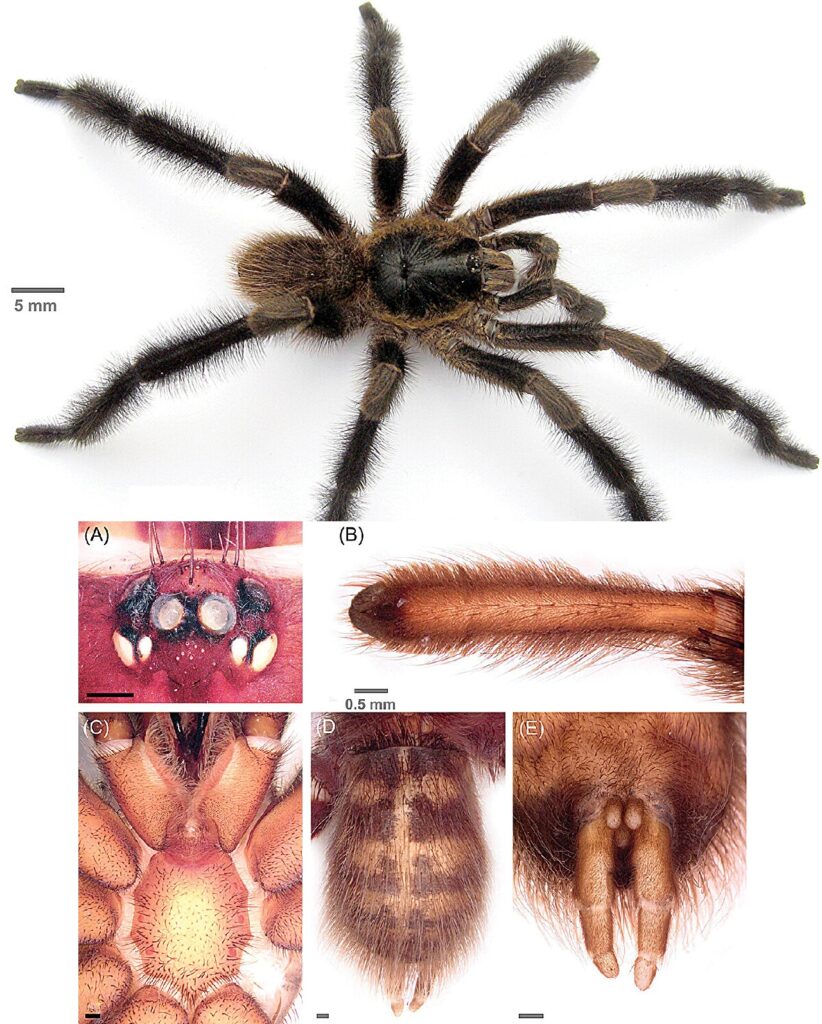
Trichopelma grande
Trichopelma grande is a rare and understated tarantula species prized by collectors for its subtle beauty, calm demeanor, and Old World–like sensitivity despite being a New World species. Native to the Caribbean, this species is best suited for keepers who value observation and stability over display or handling.
Overview
- Common Name: Trichopelma grande
- Scientific Name: Trichopelma grande
- Origin: Caribbean
- Type: Terrestrial to semi-fossorial
- Adult Size: ~4–5 inches (10–12 cm) leg span
- Temperament: Calm, reclusive
- Experience Level: Intermediate
Enclosure
Trichopelma grande thrives in a secure, terrestrial setup with ample hiding opportunities.
- Enclosure Type: Terrestrial enclosure with good cross-ventilation
- Size: Moderate floor space with low height
- Decor:
- Cork bark hides (half rounds or flats)
- Leaf litter
- Minimal décor to reduce stress
This species prefers to remain hidden and will often establish a permanent retreat.
Substrate
- Depth: 3–4 inches
- Type: Coco fiber, organic soil, or soil/sand mix
- Moisture: Slightly moist with a dry top layer
A deeper substrate allows for light burrowing and helps maintain stable humidity.
Temperature & Humidity
- Temperature: 72–78°F (22–26°C)
- Humidity: 65–75%
Light misting and a consistently moist lower substrate layer are ideal. Avoid oversaturation and stagnant air.
Feeding
Trichopelma grande is generally a steady but modest feeder.
- Prey Items: Crickets, roach nymphs, small locusts
- Feeding Frequency:
- Slings: 1–2 times per week
- Juveniles: Once weekly
- Adults: Every 7–10 days
Remove uneaten prey within 24 hours to prevent stress or disturbance.
Water
- Provide a shallow water dish at all times
- Occasional light misting can help maintain humidity
Clean the water dish regularly to prevent mold or bacteria buildup.
Temperament & Handling
- Generally calm and slow-moving
- Rarely defensive
- Handling is not recommended
Like most tarantulas, this species is best enjoyed through observation.
Molting & Growth
- Growth rate is slow to moderate
- Premolt may involve extended fasting and increased reclusiveness
- Do not disturb the enclosure during molting
Stable conditions are key to successful molts.
Important Notes
- Sensitive to sudden environmental changes
- Prefers consistency over frequent enclosure adjustments
- Excellent species for patient keepers who enjoy natural behavior
Summary
Trichopelma grande is a collector-focused species—quiet, calm, and rarely seen, yet deeply rewarding to keep. With proper substrate depth, stable humidity, and minimal disturbance, this Caribbean tarantula will thrive in a well-maintained terrestrial setup.